INTRODUCTION

This is foreseen to be an occasional blog relating to bird ringing at Abbotsbury Swannery. The site has operated as a BTO Constant Effort Site since 1995 and has taken part in the BTO Swallow Roost Project. In recent years we have concentrated in the autumn with both Yellow and Pied/White Wagtails. In 2009 we joined the Woodcock Network.

Wednesday, 11 September 2013

Everything is OK!

Yellow Wagtail ringing has continued this past few days.  Luckily the wind has not been too much of a problem. Of interest we are getting more adults in with this late flush of birds.

Darvic ringing continues


Last night the roost was about 60 birds and they came in just at the point of sundown after a few anxious moments as to whether we were going to catch any.


Megan processing her first 'alba' wagtail.  The pied/alba roost is about 30 strong at the moment but they are reluctant to mix with the Yellow Wagtails.  All the wagtails pre-roost on the tern island and then split as they head to the reeds.

Some more Yellow Wag pictures


The running total has not been worked out yet but we are hoping for a few more evenings before the birds have gone for another year.

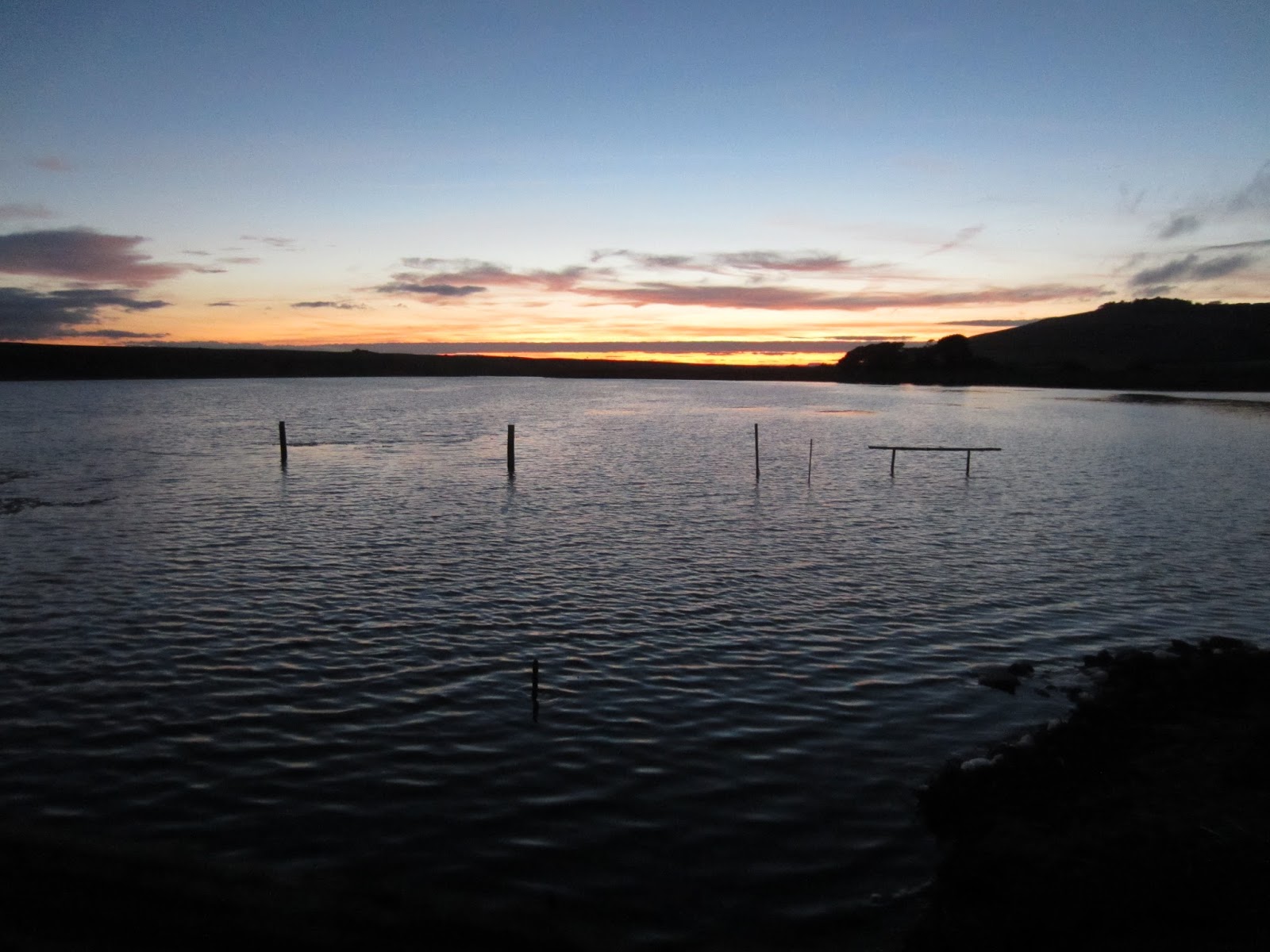
Again the sunsets on the Fleet have been spellbinding.


With calling Common Sandpipers skimming over the water, returning  Geese and Swans coming into land and the wind in the reeds it is often very hard to leave this place!


Friday, 6 September 2013

Four hundred and counting.....

We are now at 400 Yellow Wagtails this autumn.  Hopefully the weather next week will be kind and the birds will still be hanging about and we might reach 500.  It is not a numbers game but we are keen to get as many darvics on the birds as possible this season. Interestingly towards the end of last season we started picking up the most challenging birds at this time of the year.  These are the ones which we are after.

Already this year we have identified several 'flavas'- below is a picture of one taken by Luke earlier last week.

'flava' wag taken by Luke last week.

Adult birds are a bonus and often take some sorting as the feather fringes are not always that clear cut.

 Male Yellow Wagtail  'flavissima'
 

You can never have enough Yellow Wagtails!


They are a challenging group but by having the chance of such a large roost here hopefully we can make some sense of it or at least throw open some ideas.  

There is nowhere on earth quite like the Fleet- well we like to think that- and the sunsets there are fantastic


Saturday, 31 August 2013

Bouncing back!

It does say occasional at the start.  We are still alive and pick up things at our favourite time of the year - the returning Yellow Wagtails.  Sightings starting in ones or twos and then three days ago we set the nets and over the past three evenings have caught about 200 birds.  This year there is a difference as we are colour ringing them. A white engraved darvic above the metal on the left leg.  Please look out for them.  We are keen to see where some of the more challenging birds come from.


We started with AB. AA snapped! A challenging start but since then all has been going well. Two nights ago some 800 birds were at roost. They  pre-roost on the tern island and then fly to and from the Chesil Bank and then cross the water swirling round the reeds like a swarm of bees.  A sight to be seen!


The weather looks favourable for a few days so if the wind doesn't pick up we shall continue.

Monday, 22 April 2013

Where are the Willow Warblers?

Back ringing again at the Swannery again after the miserable winter months.  New rides cut and old one trimmed. Water level still high in some places so care needed.  Just at the cusp of the top of the waders and not want a leg full too early on in the session.


The first half hour Sunday morning was spent defrosting the nets. The nets were white with frost and reluctant to unfurl. However soon up and running and the first round brought three Cettis Warblers- one retrap male from last October and two new females.  Then followed usual fare of Blackcaps,Wrens, Dunnocks etc but in the whole session only three Willow Warblers.  Luke has had similar results with a lack of Willow Warblers nearby at Clouds Hill.  We didn't trap many at Gibraltar first week April either.  Possibly the results of last years terrible breeding season.  Chiffchaffs about in better numbers.


The session finished with a nice female Reed Bunting


Monday, 18 March 2013

Hibernation over!

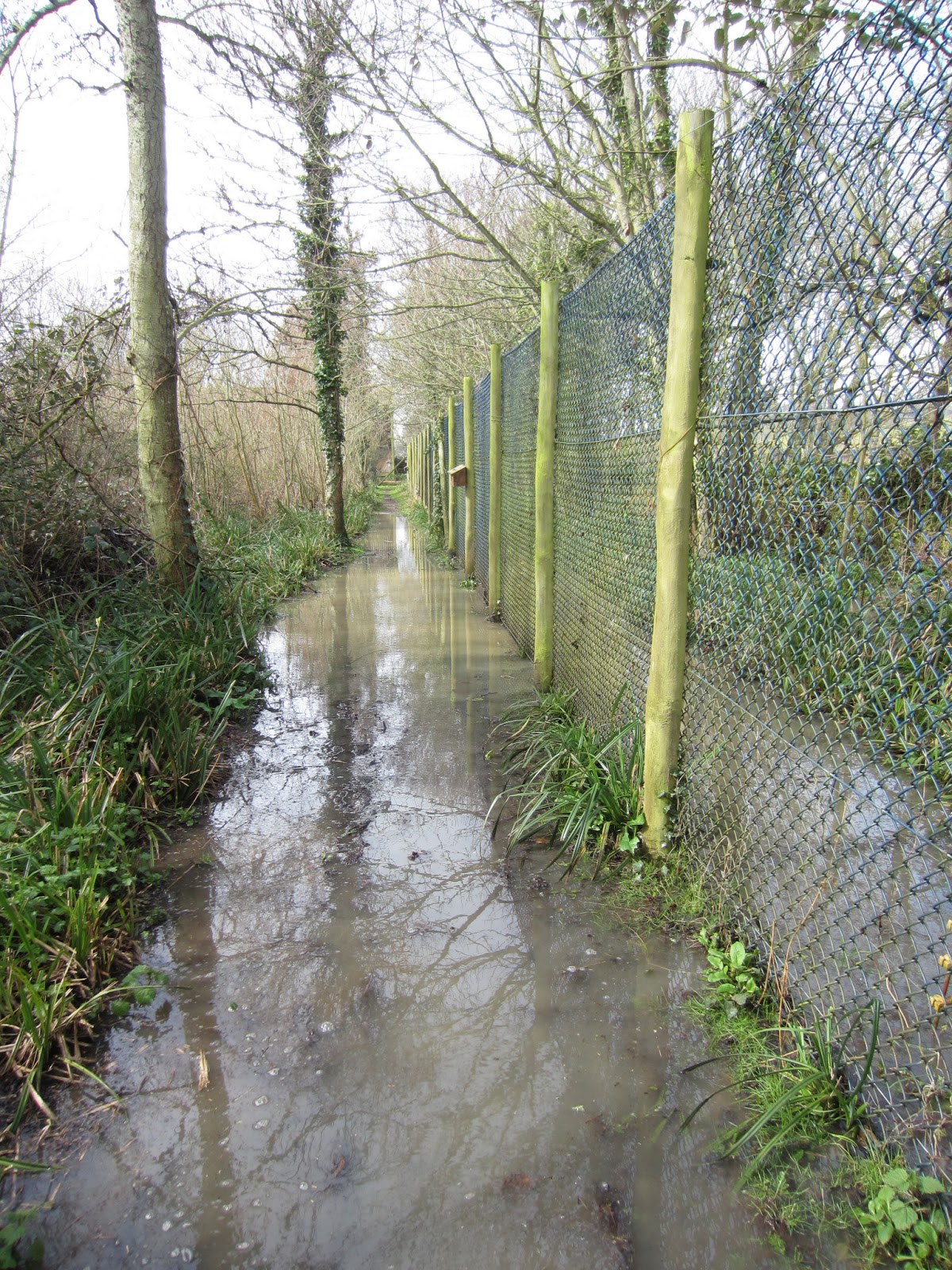
We are back.  After the long winter months when little is happening down here in the withy bed and the reeds it is time to start making good ready for arriving migrant birds and the CES.  A visit yesterday was made to assess the situation.  It is still very wet in the withy bed and a small stream was running along the net line.


Work on the withy bed will start at the end of this week when our good friends from Kingston Maurward College will bring some students down to learn the art of coppicing.  Coppicing is a very old tradition and when finished is very rewarding.

The reed bed is similarly very wet at the moment but the recent deluges might have something to do with this.  Hopefully the levels will drop before the CES starts and make walking through them easier.


It is hoped to pop down tomorrow morning just to air the couple of nets in the withy bed and try for a few migrants.

Wednesday, 12 December 2012

A finch morning.....

With the reed beds now practically devoid of bird life and the withy bed only productive early morning and late afternoon a couple of nets were positioned around the feeders for the end of the year to keep things ticking over and provide a platform for trainees over the winter months.

The first net round in the withy bed produced 5 Goldcrests and 2 Long-tailed Tits.  Around the feeders a steady stream of Blue Tits and a single Great Tit (where are they all?) was complemented by a nice little run of Greenfinch and Chaffinch.  The final net round in the withy bed produced a male Bullfinch. A few Robins and Dunnocks made up the rest of the numbers but 30 birds in 90 minutes was a worthwhile effort.


Of great interest was that I also caught the second ever House Sparrow down at the Swannery since 1995.  Perhaps they are creeping down as the cold weather kicks in


The weather looks to be deteriorating as the week goes on but may get another chance this week

Tuesday, 6 November 2012

A touch of frost.....

Lovely frosty start today and the nets up just at the point of light.  Lots of Fieldfare and Redwing on the drive down to the gates. Crests calling and huge flocks of Woodpigeons moving west.  Despite the amazing migration in the skies above with Skylarks,Siskins, Redpolls, Chaffinchs and Bramblings all moving through the nets remained quiet.

However the gloom was lifted when 4 Lesser Redpoll were trapped out in the net in the reed bed. Delightful little birds. Other species trapped were Chiffchaff, Wren, Goldcrest, and Robin.


The previous two evenings had provided a couple of good sessions with plenty  of lingering Chiffchaffs trapped and a steady stream of Goldcrests. A Kingfisher ( a juvenile female) was trapped in the reed-bed ride as the sun was setting. Only the second one this Autumn- usually get more than this. Contact was also made with the tit flock at it moved back through the withy bed on Monday evening  and a start was made into the forty or so Long-tailed tits in the flock. A few calm evenings this week and correct timing should prove beneficial.